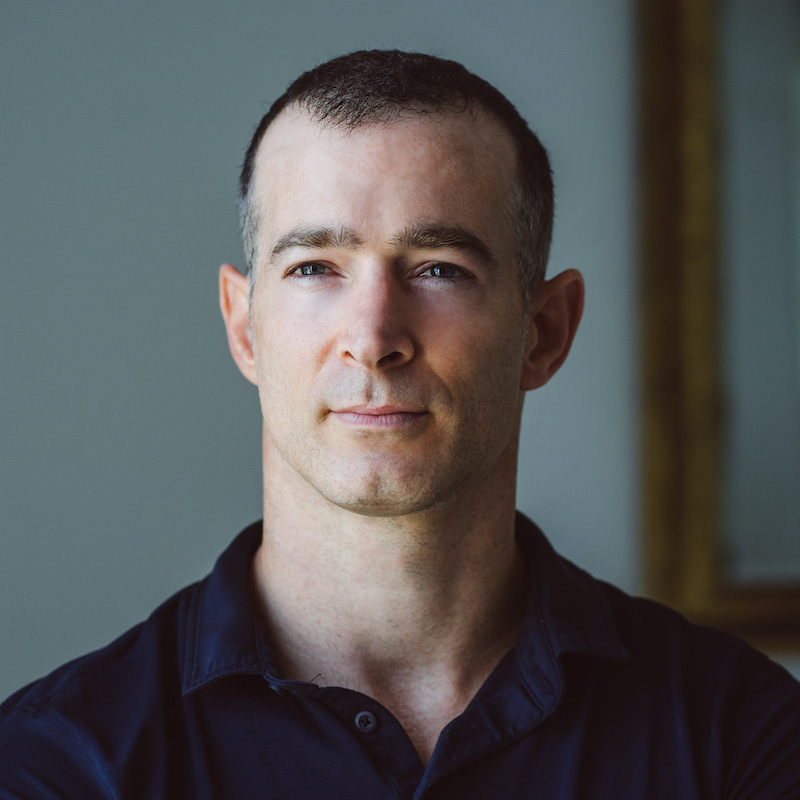

“I was afraid coaching would reveal the real blocker was me.”
Most founders never say that out loud, but Natalia Scheidegger had the courage to face that and overcome it.
Natalia’s business was growing and she was hitting milestones, but she sensed she was capable of more, and decided to find out.
This episode is about what it takes to close the gap between the founder you are and the one your business needs you to become to achieve your dreams.
Topics Covered:
- Why the narrative “I’m being held back by X” is almost always a lie you’re telling yourself
- What it actually costs to keep hiding behind hope instead of demanding an answer from yourself
- The weekly accountability structure that makes the difference between good intentions and real change
Connect with Natalia: https://www.linkedin.com/in/natalia-scheidegger/
*
Get the “Elite Performance” book at https://itamarmarani.com/book/
If you’re ready to get unstuck and take both yourself and your business to the next level, apply to The Arena here: https://itamarmarani.com/apply
Get the Extreme Clarity Tool To Uncover The #1 Action To Grow Your Business: https://itamarmarani.com/clarity
Sign up for “3 Quick Ideas Tuesday” (weekly 2 minute newsletter around mindset and emotional fortitude): https://itamarmarani.com/3-ideas/
00:00:00:00 - 00:00:21:09
Natalia Scheidegger
I was slowly starting to come to the realization that the blocker maybe me. That actually I was the one getting in my own way for a variety of reasons. This was the moment where I had to find out what I was capable of. There was this sense in my soul that I could be more. Not knowing the answer was much worse then in finding out.
00:00:21:11 - 00:00:49:00
Itamar Marani
Most businesses don't stall because of the market, the strategy, or the team. They stall because the founder hasn't become the person who can run the next stage of the company yet. So this was something today's guest, Natalia Scheidegger, CEO of 3rdmill, a technology service company that helps financial services business solve complex problems with tech, said to me earlier. Natalia is a former coaching client who came on and shared how she was able to overcome a certain plateau on the path to 10 million and crush her first major acquisition.
00:00:49:01 - 00:01:10:15
Itamar Marani
But that's not the main reason I actually ask her to come on today. What really surprised me, and what made me want to reach out and ask her to come on the pod was something she told me when I asked her if there was ever a moment that almost made her not want to do the coaching, and she said, I was afraid coaching would reveal the real blocker was me, which was honestly the deepest answer I've ever heard to that question.
00:01:10:17 - 00:01:33:13
Itamar Marani
So in this episode, we talk about what she discovered instead, what it really takes for a founder to break through a revenue plateau and step into that next stage of leadership, along with many practical and humorous insights, and how to achieve more without sacrificing important things like family. So your ticket is something that most high performers go through, but are very concerned about admitting that.
00:01:33:13 - 00:01:41:00
Itamar Marani
You said I was afraid coaching would reveal the real blocker was me. What did you mean by that?
00:01:41:01 - 00:02:18:19
Natalia Scheidegger
So I had been running the business for quite a while in the lead up to pushing go on coaching and I had felt like growth was quite slow and really wanted to supercharge it. The challenge was I had for a long time had different reasons why that was the case, and it was slowly starting to come to the realization that the blocker may be made, but the limitations around growth weren't all these other things like cash and liquidity and the right people underneath me, but that actually I was the one getting in my own way for a variety of reasons.
00:02:18:21 - 00:02:42:11
Natalia Scheidegger
And when the time came to push go on coaching, there was this moment of, I always think of this quote that I heard about a hell is when you get to the end of your days and the person that you are meets the person that you could have become. And it was one of those moments where that quote really stuck with me, because it was this was the moment where I had to decide where I was not going.
00:02:42:11 - 00:03:06:20
Natalia Scheidegger
I was going to double down and work out what I was truly capable of and find that answer. And the answer could be good or bad, but that the regret of not knowing the answer was much worse. And my my belief is, I think a lot of people keep going as they are tied into the beliefs and the self limiting beliefs, but are too afraid to ask and push the question of what if?
00:03:06:20 - 00:03:29:05
Natalia Scheidegger
What could I actually become? So for me, coaching really that that quote and that moment really tied in together around that fear of of of knowing, of knowing whether you're good enough or not. And in the end, I chose to to find out because it was it was better than spending my days not knowing what I was capable of.
00:03:29:07 - 00:03:37:02
Itamar Marani
What do you think? Most people are afraid to actually go into it and see and like explore this. Am I good enough or am I not?
00:03:37:04 - 00:04:00:07
Natalia Scheidegger
I think because they're afraid of finding out that maybe they aren't good enough at their, that the dreams that they had gained for themselves are not actually within their grasp. That's why because it's a confronting thought to know that the things that you dream of, that you go to bed at night and that get you up in the morning aren't possible.
00:04:00:09 - 00:04:18:20
Natalia Scheidegger
But when you're putting everything you've got, this you wait to do or you don't. And it's frightening that living in, living in in fear of the possibility versus in denial of the choice. Illness.
00:04:18:22 - 00:04:37:21
Itamar Marani
Yeah. It's like I like to think about it that, you know people speak of hope as this really positive thing. You should hope. You should have hope. But it's actually in a lot of ways it's a four letter word because it allows you to hide. You can hide behind hope and it feels really warm and really fuzzy and really nice to have hope that I hope this will happen.
00:04:37:23 - 00:04:47:15
Itamar Marani
But the love is actually high from the truth. A lot of times. And it's like crossing a Qassam from hope to like, let's actually do this. It's a very big difference.
00:04:47:17 - 00:05:07:19
Natalia Scheidegger
And there's, there's, there's a lot of despair when you realize we've given you all and things aren't going your way as well. That and it's very confronting because you live you have to live with that question and that uncertainty. Where is hope you can cling to and hope that things will get better? And, but if only right.
00:05:07:19 - 00:05:27:14
Natalia Scheidegger
If only I didn't have this then, and I, the strings would come through. And letting go of that life was was actually the fear. That was what that was the moment. And then the come to moment that I got to when I realized that pushing go on coaching meant I couldn't cling to that life raft anymore.
00:05:27:16 - 00:05:47:12
Itamar Marani
That. So question, was there something specific that pushed you're gonna like you're saying there's probably because for me, a moment of time that you said, like, I know there's this life raft here that I need to let go. So was there any kind of situation said, okay, this, needs to happen now. It's go time.
00:05:47:14 - 00:06:13:09
Natalia Scheidegger
I think there were moments of when not going fast enough. I think there were moments where I had some challenging people in the business and I felt like were it not for them, then we would be growing and I was being limited by those people. And that was the kind of narrative that I clung to the moment where it shifted.
00:06:13:11 - 00:06:42:16
Natalia Scheidegger
I think it's a little bit watching others succeed and realizing that they'd gotten there sometimes with with harder challenges. And I hadn't. And so there was a bit of that comparison effect going on. I think there was a little bit of, perhaps ego in it to go, well, I'm getting on at like their milestones I want to hit and I'm not hitting them by certain age.
00:06:42:18 - 00:07:06:10
Natalia Scheidegger
And that kind of drove me to this crunch point to go to. Now, never. But I think that was also if I was to really scratch at it, a growing awareness of myself that I had been rolling through various communities and networks that I had for ego and the like, I had started to get to know myself better.
00:07:06:12 - 00:07:26:10
Natalia Scheidegger
And all of those narratives got to a point where I knew myself well enough to understand and ask a difficult question, to go. But what if these things aren't the actual problem? So I think the first this almost this level of self-awareness and know thyself has to occur before you even get to the point where you can ask yourself that question.
00:07:26:12 - 00:07:35:09
Natalia Scheidegger
So it is a lot of hard work to get to the point where I decided I wanted to do a lot more hard work.
00:07:35:11 - 00:07:50:07
Itamar Marani
So is it basically about saying we all try to externalize responsibility, but the real goal is when you can say, if I were to say this is somehow me causing this, would that help me move faster?
00:07:50:09 - 00:08:11:04
Natalia Scheidegger
It's a great way of framing it, and I think that is exactly it's it's shifting the narrative to say, what can I do to make this move faster? Not if this thing went here. Then we would move faster. It's very much part of that. What focus on what you can control versus what you can't control. And that, that, that that narrative.
00:08:11:04 - 00:08:27:16
Natalia Scheidegger
But it's it's so much more than that because you're no longer shifting the, the mold, the small pieces. You're thinking much bigger to go. But what you know, what what can I do here to really move the needle? In a broader sense, yeah.
00:08:27:18 - 00:08:55:15
Itamar Marani
Can offer kind of my spin on that. It's constantly asking myself, where am I? Inadequate. And is recognizing that I think we have, you know, we all have our egos and we all have or desire to be perceived in a certain way. And it's very challenging, especially once we start accumulating a certain level of success. And again, like there's all relative levels to this and, you know, it feels, Erica, there's a guy that has the billion dollar company.
00:08:55:15 - 00:09:21:11
Itamar Marani
And right below there's a guy that has a template, our company, etc., etc.. So the reality is by definition, we're more successful. If you're a neo, you're more successful than most business owners. That is the definition of. And there starts to be this thing where we want to hold on to that, and that feels like really good. However, if we can actually keep a beginner mindset and say, okay, I am always going to be inadequate in some way, it doesn't mean I'm a bad person, doesn't mean I'm not worthy of love.
00:09:21:11 - 00:09:44:07
Itamar Marani
All that kind of jazz. But there's always going to be some inadequacies in me as far as my character, as far as my skills, as far as all this stuff, and by having by making peace with that and saying like, I am a great person, I'm a great leader, and I'm inadequate in a lot of ways. It can be very freeing to say, okay, in which way is in my inadequate now that need to be fixed, what are the current bottlenecks that might not because these are causing?
00:09:44:11 - 00:10:02:02
Itamar Marani
How can I address those? And it's this kind of balancing between both having self confidence in yourself and also recognizing that there are parts of you that always need to get fixed. And paradoxically, the more you can accept that parts of you to be fixed, the less insecure you're by yourself and trying to hide. So the more confident you are.
00:10:02:04 - 00:10:02:14
Itamar Marani
It's it's.
00:10:02:16 - 00:10:26:02
Natalia Scheidegger
Like, well, I'm glad you pointed out that tension because it was exactly where my mind went, that there's this this constant need to first of not compare yourself to others and be the best version of yourself that you can be, and push yourself to, to, to succeed, while at the same time leveraging the ability to compare yourself with others to drive that competitive spirit and go, actually, yeah, I'm there.
00:10:26:04 - 00:11:07:14
Natalia Scheidegger
There are others who are at it smashing it out of the park. In these areas that are not, and creating that tension. I think it's why people call entrepreneurs. So schizophrenic sometimes because when you are really in tune with yourself, you ride those highs and lows as you reach your, your, your capacity and your limits and that ego confidence is created and then things go wrong, or you meet someone who's much better at it, and then you stumble and fall and then and the trick is the mindset to move through that roller coaster and continually climb upwards by not taking the ego blows so hard and not going, oh well, this flight's got $1
00:11:07:14 - 00:11:20:06
Natalia Scheidegger
billion business and mine's only 100 male. Therefore I'm not worthy. It's going. What's he doing that I'm not? What are those skills? What's that gap? Let's go.
00:11:20:08 - 00:11:35:08
Itamar Marani
At this kind of weird thing, instead of taking pride in. I am the kind of person who's achieved saying I am the kind of person who can achieve things because they're open minded and it's this weird little trick, but it opens up. It relieves so much of the pressure on the ego.
00:11:35:10 - 00:11:59:15
Natalia Scheidegger
And I think it's funny how so many of us, and this was certainly my experience, while being coached, was unpacking that the goals and dreams that you have are often tied to I want to be this person, this idea I want I want to run a business like this or do this thing, and you tie your identity to that, or you tie your ambition to that.
00:11:59:17 - 00:12:22:13
Natalia Scheidegger
And what you don't realize is what you're really chasing, or the real unlock is stripped to be the sort of person that can achieve those things. Because once you do that, then you can be, then you can beat the next thing and the next thing. And before long, the big hairy audacious goal that you had is, you know, a kilometer behind you in the rearview mirror and you're chasing the next big thing.
00:12:22:15 - 00:12:54:12
Natalia Scheidegger
That shift in identity is really difficult, though, because so much of the decision making day to day is based on love. But I want to be seen to be running a business successful as opposed to what is the sort of person that can and you know, build a big business and it just is successful. It's and it's this, this I think the real challenge and what my whole coaching journey taught me was, how do you translate this identity mindset shift, which makes sense on paper.
00:12:54:15 - 00:13:02:12
Natalia Scheidegger
Talk about it now makes sense into micro decisions day to day that move the needle in the right direction.
00:13:02:14 - 00:13:31:17
Itamar Marani
So I kind of know from my perspective having culture what that is. But what is the one question that always helped you get to there? Because right now, like I'll kind of encapsulate what you said in my own perspective is that when enough experiences as well, when we're focused on our, achieving a goal, our focus is on how can I get this thing I want, this thing I want like, I would need it when our focus is instead of how can I become the kind of person who would be able to achieve those goals, then we do the right things.
00:13:31:19 - 00:13:48:08
Itamar Marani
And for me, whenever I've wanted to, it's it's weird paradox. Whenever I really wanted to achieve a goal, I've usually not achieved it. Whenever I've really wanted to become the kind of person who can achieve that goal, the goal ends up happening. And I give you remember those frameworks that we talked about the higher your lower, you're like that was the main thing.
00:13:48:10 - 00:14:12:13
Natalia Scheidegger
Yes. And it was funny because in the beginning I found it really odd to kind of disassociate to another identity in these moments of decision making. And I remember you being very pedantic about the language kind of saying, no, what, what, what would, what would this $10 million version of, of Natalia do, this $10 million CEO running this business, doing this, in this situation?
00:14:12:13 - 00:14:35:00
Natalia Scheidegger
Not what would I do? And I kept coming back to what would I do? What's the right what's you know, how should I respond here? And shifting the narrative to what would this other person do in your shoes was is a hard habit to break, but help to kind of break down that wall and shift from that ambition to identity.
00:14:35:00 - 00:14:56:14
Natalia Scheidegger
Pace not I want to make I will pay $10 million. It's what is the person that's already there doing. And that is the micro decision. Each day. But yeah, the the trick to it was the language and being very pedantic about the way you asked yourself the question, not what's the right thing to do here or anything like that.
00:14:56:14 - 00:15:02:15
Natalia Scheidegger
It's really disassociating to another identity. That already is the thing that you're chasing.
00:15:02:17 - 00:15:21:03
Itamar Marani
The way I would say it is that whenever we ask ourselves, what should I do between there's a filter between the real world and the logical explanation of what should be done, of what are my emotional needs, what are my fears? What are my desires, all that kind of jazz. And that's the challenge part that we say, what would I do to achieve this goal?
00:15:21:05 - 00:15:44:18
Itamar Marani
It still is. I really want to be perceived as having achieved this goal. And when we use even a little bit of our focus on optimizing for perception, we're simply less effective because we're not focusing on what actually needs to get done right. It's like that whole the simplest example that we've also uses a lot for athletics is like, you have your triathlons and you're running is when we're more focused on how will I perceive this, I win this race.
00:15:44:20 - 00:15:58:17
Itamar Marani
Then we actually lose focus on what we actually need to do right now to win the race. If it's just a little bit of energy that in the back of your head while you're running is being consumed by other people's like, what will they think? It's the less energy your system has to actually move forward. It's a lot of times the case with this.
00:15:58:17 - 00:16:21:07
Itamar Marani
As soon as say, what should I do? We also waste a lot of energy a minute. Wait, but what if this works out? What if it doesn't work out what people think? How will this make me feel? And it's not about overcoming that, but it's about completely getting away from that. It's an escape hatch to run away from that by just saying, what would somebody who's actually has a $10 million mindset, which was the goal to get the business to what would a $10 million CEO do a year ago?
00:16:21:07 - 00:16:38:00
Itamar Marani
That's easy. That's what they would do. And it's this thing that I think we're not comfortable acknowledging, but we simply care less about other people's feelings than we do about our own. And as soon as we can extract that, it has said, put it to someone else, whether this is a random $10 million person doing, oh, this is what they should be doing, it's very clear.
00:16:38:02 - 00:17:07:16
Natalia Scheidegger
Because you you cut away all of those systems and, and contexts that are driving you that you're not even aware of. During during my coaching process, the biggest unlock was this incessant desire to be liked, right? And to be seen to be a likable person. And it was a blocker for me for very, in very odd ways, in ways that I hadn't really unpacked because I'd never ask myself the question, well, would somebody else running your business do this?
00:17:07:18 - 00:17:33:06
Natalia Scheidegger
And the answer was almost always no. But I was trying to maybe pander to an employee that I liked who was making unreasonable demands or, you know, go to certain events because I thought it would look college and because I wanted to be seen by my peers to be successful or even the language in the way I spoke to people, you know, at conferences and how you present yourself was all kind of geared around this.
00:17:33:07 - 00:17:50:21
Natalia Scheidegger
How do I how am I being seen? I want to be I want to be seen to be successful and professional and liked and likable for fear that if those things weren't true, then somehow the house of cards would come down. But once I disassociated from that and realize, what's that? What's what is this? This up, this smoothie.
00:17:51:01 - 00:18:05:16
Natalia Scheidegger
Right over here doing that, I'm not. There were never doing those things. I wouldn't waste time going to events that didn't matter to them. Well, that didn't matter to the outcome. They were trying to. It's safe because and I wouldn't even do the authority here.
00:18:05:18 - 00:18:22:21
Itamar Marani
Yeah, I think that's the word right there. It's that language of what is the outcome that is that we're trying to achieve. Watching someone do it, they're trying to achieve that outcome. If not, what is my goal? What do I want it? What is the outcome? And when you strip it away like it sounds very cold, it's not, you know, like the whole like it's super inspirational.
00:18:22:21 - 00:18:41:03
Itamar Marani
I'm super attached to this goal. But in a way, because you're not attached to this goal, you're able to see more clearly. Like when you're attached, you become emotionally compromised. And you know, there's this kind of I think it's a bit counter to what a lot of the coaching or motivational like philosophy goes through. If they has to be really attached to your goal.
00:18:41:03 - 00:18:59:04
Itamar Marani
Because the reality is that there's also there's a danger that the end cause the negative to it. And like you said, it can give you a push, but it can also start compromising your judgment. And that's a really big semantic where you said there's like, what is the outcome that is trying to be achieved here? What would someone do if they're trying to achieve this outcome?
00:18:59:06 - 00:19:31:23
Itamar Marani
And kind of like harp on that point? You know, we talked to beginning about how it's really important to know thyself. And I think a lot of times that means people think it means what do I like? What do I not like? What do I want to achieve? What is not as connected with me, what I have seen, and both in myself and in others, is that even if you know all that, you're not going to be able to actualize it unless you also are very aware of what is your main insecurity, because that's the thing that's actually going to pop up like I like for you.
00:19:31:23 - 00:19:45:09
Itamar Marani
And it's a very common one. It's like like how will I be perceived? For me, it's a sense of control, and I recognize that I want to have an overriding sense of control that is absolutely unnecessary. It's just an emotional thing, not a logical thing.
00:19:45:11 - 00:19:51:18
Natalia Scheidegger
Because I completely remove that feeling of that sense of control. Does is still not just.
00:19:51:23 - 00:20:08:19
Itamar Marani
Absolutely not, absolutely not. It's just something that I'm aware it's it's the best way I can say it. It's like, you know, when you have a certain injury and you just know you need to train around it, you need to be aware, like what movements can tweak it and what times it could actually flare up. It's just about knowing that now that's the key.
00:20:08:19 - 00:20:26:03
Itamar Marani
It's like it's knowing, okay, that I have this car. It always drifts a little bit to the left. So okay, I know that this is where I need to correct it. And this is really about not trusting myself in any issue that comes to control. Recognize that my judgment is skewed. And that is exactly where I need to start externalizing.
00:20:26:03 - 00:20:42:15
Itamar Marani
And detaching and asking, what should I do here? If somebody has these kind of goals and wants to achieve this kind of outcome, what should they do here? And that is to say, okay, that's still feels really uncomfortable for me to do. And I can find 100 justifications, but it's not valid. I know it's not valid because I know it's something.
00:20:42:17 - 00:20:54:14
Itamar Marani
And they just accepting that, like, this is a big part of it. And I try to do all this work, you know, go to like it was like a healing journey or whatever and tell it like it all heals. But there's something like this is somewhere where your judgment is skewed and you don't need to do it.
00:20:54:16 - 00:21:12:03
Natalia Scheidegger
I think it's it's just it's it's one of those big lessons that you really have to come out the other side of it to know, which is there is no pill here. Right? There isn't this this kind of magical version of you that exists on the other side of, of of coaching or hard work that suddenly is sort of all these elements and all this.
00:21:12:03 - 00:21:37:10
Natalia Scheidegger
What was in your mindset? They'll always be there. It's the injury, like you say, and it's a muscle you have to develop around it to go and learn. And when, when I first started out on this journey, I realized, like it would take a while for me to work out. The car was veering left, so to speak, and and cause corrective at that point, you know, 3 to 1 was off the road, but then you realize two kilometers in and one foot and you start to kind of course correct a bit more quickly.
00:21:37:10 - 00:22:00:00
Natalia Scheidegger
And the muscles there, the reflex is there. But that moment of, oh, what's he going to think of me still there, right? Yeah. It's just the time took the time to course correct gets shorter and the impact it has on you is smaller the harder you work at it. And that's the know thyself there. That is to me that it's the time to course correct.
00:22:00:00 - 00:22:07:21
Natalia Scheidegger
Because, you know, almost before it happens is I see what's going on here, and can correct.
00:22:07:23 - 00:22:24:21
Itamar Marani
Yeah. I'll add a layer to that. I think it's also before that, like I said, what is the outcome, what would be effective for somebody that that wants to achieve this outcome to do that is a question that oftentimes we don't ask ourselves. So we don't even know if a car's off center because we don't have a true gauge of center.
00:22:24:23 - 00:22:43:06
Itamar Marani
Ask that question first allows you to say, okay, this is something that someone should do. This is how straight a car should go. And then we can recognize, wait, I'm I'm not wanting to do that. So why do I not want to do that. Recognize is this valid or is this not. And it's why I like if you remember the biggest part of our coaching we did, it was in first.
00:22:43:06 - 00:23:00:07
Itamar Marani
We never started by tackling like not like what are your fears or what are your main concerns? It was if somebody want to get to 10 million, what are the actions that they need to be doing from where your business currently is? And you had it was pretty easy for you relatively to find clarity. This is the one thing we need to do.
00:23:00:09 - 00:23:23:20
Itamar Marani
This is a big acquisition. On the first step. And then, and only then, we were able to figure out, okay, why am I you resist doing parts of that? I think like that's the big unlock. And that's like this. The future blueprint, whenever things get stuck is I say, okay, like, what am I afraid of here? But like, what would somebody else do if they want to succeed with this, then why am I possibly resisting it?
00:23:23:22 - 00:23:42:01
Natalia Scheidegger
It's interesting because it was one of the things they talked about a lot was their hunting antelope, not field mice. And see that that the acquisition for me, that desire to grow the business now and the real unlock for that was buying another business was that was it was an antelope, right? It was the biggest thing out there.
00:23:42:03 - 00:24:03:10
Natalia Scheidegger
And that resistance to doing it was back to what we talked about right at the beginning. Fear of trying and finding, fear of getting out there and trying to do an acquisition and failing because I couldn't. And so I built up a series of excuses. It's hard to find, you know, that the business, the market, it's too it's too overvalued.
00:24:03:10 - 00:24:25:03
Natalia Scheidegger
There are bigger players out there trying to find businesses. It's never going to happen. And then you get in your mind we said no, no style road to say, I'm going to go and get and buy a business. And then suddenly every choice you make course correct to that outcome and you get to the end of the road, as I did.
00:24:25:03 - 00:24:43:22
Natalia Scheidegger
And for the business, and look back and go, oh, I see, I see how focusing on that delivered the outcome. But at the beginning it's still so overwhelming. And you create all these barriers and then all the self talk about why you can't get there and you see you off the road, hunt the field mice wherever you want to call.
00:24:43:22 - 00:25:02:13
Natalia Scheidegger
It ends up happening. Instead, I look back now, I still can't believe what everything that happened. I still can't believe that I was capable of doing what I did because I set my mind to it. But now that I've done that, it's almost it's almost scary because I realize that the next thing that I'd set my mind to, I might actually achieve.
00:25:02:18 - 00:25:04:14
Natalia Scheidegger
That's a terrifying thought.
00:25:04:16 - 00:25:08:01
Itamar Marani
But it's I sent terrifying thought.
00:25:08:03 - 00:25:28:07
Natalia Scheidegger
Because what's the next big thing I could dream of? You almost always start to unlock bigger and bigger dreams, and you realize that the journey I just went on going on capable of buying and growing business that way. It gives you the superpower to do the next scary thing. And the journey that I've been on was this was fearful.
00:25:28:07 - 00:25:49:20
Natalia Scheidegger
In some ways. It was it was there was uncertainty. And it created moments of of of risk and fear. And but now I realized, looking back at that, if I'm capable of doing that again is not fear and uncertainty in my future. And round around you go. But embrace the struggle, right? That if that's the sort of person that I want to become, that's the choice I'm making.
00:25:49:22 - 00:26:15:01
Natalia Scheidegger
And I think that's where the hesitation for a lot of people comes from, is you do have to kind of sit with that uncertainty and sit with that fear really quite comfortably and call it, call it bedfellow. Right. That whole adage of you're not if you're not uncomfortable, you're not growing. I really understand that now more than I ever have before.
00:26:15:03 - 00:26:33:15
Itamar Marani
So question what would you tell to someone, let's say the ten that of nine months ago? What would you tell like someone in that same situation? I oh, I know I need to do this, but it's scary. Like, what will this mean about me if I fail or if I don't?
00:26:33:17 - 00:27:16:21
Natalia Scheidegger
Interestingly, a lot of what comes to mind is much of what towards the end of our sessions, you said to me, which is you're more capable than you think. But funnily enough, I think the Nat of nine months ago I would have ignored that and or dismissed it. And so you're just saying, and so I tie it more back to emotion and feeling and what it feels like to be here and to me right now, I feel, is deep sense of contentment and ability to weather storms that didn't exist before that, before happy or not happy is relevant.
00:27:16:21 - 00:27:46:23
Natalia Scheidegger
And it's this ability to have things happen in your day, week, month, and and step up in and confront them and walk away reasonably unscathed. Nine months forward, more bad things happen in my day. Really, because the stakes are higher. Yeah. If I said that to Natalia nine months ago, she probably run away screaming. But the reality is, the person that I am now looks, supplies high stakes and goes.
00:27:46:23 - 00:28:06:17
Natalia Scheidegger
It's like we can we can do. What does he always say to me? We'll figure it out. Yeah, that's empowering. And that gives you a sense of contentment. Has nothing to do with how big the fires our little burning it, and everything to do with your own ability and comfort of knowing this. The I can handle this.
00:28:06:19 - 00:28:29:15
Itamar Marani
I think we very clearly see. Is the greater challenge that is ahead of us, while completely ignoring our ability to also grow into a greater person. And we have this kind of fix it anyway. This is the kind of challenges that I can go up against. This is what I'm capable of achieving. So that looks much bigger and scarier.
00:28:29:17 - 00:28:49:06
Itamar Marani
And we don't take into account that the challenges can get bigger, but also we can get actually, it's kind of like better than the actual challenges. And by doing that, the actually bigger challenges can feel easier. It's just it's a weird thing, but I think that's something I've experienced at least myself and I've seen a lot of clients, is it's easier for us to see the external.
00:28:49:08 - 00:29:01:14
Itamar Marani
And like this is a much bigger challenge. Right now. I can only do x. That's to X versus being able to just have the mindset of I can become three x. Me and my capacity.
00:29:01:16 - 00:29:22:23
Natalia Scheidegger
And it's interesting that that that reframing that that you that you put around, what would that 10 million hundred million dollar CEO do? He's almost you transplanting yourself into that three times person and making the decision from that point and not from this point. And so if you're making the decision from that point, you still have already day.
00:29:23:00 - 00:29:44:22
Natalia Scheidegger
You just getting to that. But if you're trying to it's still battle through. It is the person you are today never going to you never going to break through. That's really what that trick is doing, is putting your phone to the tally from nine months into the into the future and saying, what's she doing? And if you make that decision every day and 9 in 9, 12 months, you've become that person, right?
00:29:45:04 - 00:29:46:23
Natalia Scheidegger
The muscle. Right? Yes.
00:29:47:00 - 00:30:05:10
Itamar Marani
Yeah. So I want to there's going to be a nice segue tactic, something I didn't want to bring up. So here's what I try to do I was the coaching. And you're probably like see this from an external perspective. Now that you've done it, it's at first let's get somebody to that level of thinking that is required to achieve the goal, which is where you said, like, what is that 10 million SEO?
00:30:05:10 - 00:30:22:11
Itamar Marani
What is what does she actually do? And then let's figure out, okay, now that you know, what are the things to do and you recognize you're capable of doing them, how can we get you to do them in a place where it's not doesn't feel so difficult. And that's where a lot of the mental stuff works. And that's why we do this first and only then that, because I also don't think it's sustainable.
00:30:22:11 - 00:30:41:16
Itamar Marani
Just say just be that person, because your brain is still very much afraid to do a lot of these things. So I can remove that fear. Now, what I remember you said, which was surprising and interesting when we did the testimonial earlier, you said it wasn't this haha bro culture and you bro, you're like what is it? So what did you mean by that?
00:30:41:16 - 00:30:47:05
Itamar Marani
And that was very surprising to me because I think that's where you perceived the culture would be it. It was it.
00:30:47:07 - 00:30:50:06
Natalia Scheidegger
Yeah, I think I yeah, I see entrepreneurs.
00:30:50:06 - 00:30:51:18
Itamar Marani
I can speak honestly that.
00:30:51:20 - 00:31:20:09
Natalia Scheidegger
Yeah, I think entrepreneurs, particularly successful entrepreneurs, are labeled out there as these kind of gym bro hustle fat. And we know, those who, you know, always be hustling, you always be working hard. And the sleep is for the weak kind of mentality. And don't get me wrong, there are a lot of great people out there running that race, but it was just like burnout.
00:31:20:09 - 00:31:43:04
Natalia Scheidegger
And I was very conscious going into coaching and going into any doubling down that I couldn't afford that, that a that was nothing to do with my identity. I did not want to turn into, gym bro. And second of all, I couldn't afford that because I had things to protect, like a family and a beautiful son whose time away from him was.
00:31:43:04 - 00:32:04:15
Natalia Scheidegger
I was never going to chase a version of myself come at the cost of that relationship. So in my mind, I'd already come in with what I felt like, what handbrakes. I could never be as successful as those people, because I know getting out before him every morning and hustling my wife for 12 hours worked on caffeine and protein shakes.
00:32:04:15 - 00:32:46:10
Natalia Scheidegger
But what I found interesting was that true elite performance and the real unlock was actually dialing down and not being overworked and frantic and busy and hustling, but choosing and being clear about the things to focus on, and putting all of your energy and focus on those things and nothing on the rest. It's almost like we, you know, you may have things and priorities that you have in your day, but you're spending a huge amount of your tail energy on a bunch of other random stuff that's not giving you energy, but that's giving you that's what's filling your days and that's what's to drive you.
00:32:46:10 - 00:33:15:23
Natalia Scheidegger
And if you cut all that out, you've actually got energy left over. You've got energy and time left over to spend with family, to look after yourself, to do all the things that give you joy. And I still can't believe that there is a version of me that can enjoy life. Take time, go to the sauna, get my nails done, spend time with a son and still buy a business and grow a business and be there for her, her staff and her customers.
00:33:15:23 - 00:33:28:04
Natalia Scheidegger
That those two things always felt really incongruous to me, to identities. I battled the the constant juggle, but they're not. If you ask about what you spend your time on.
00:33:28:06 - 00:33:34:10
Itamar Marani
Yeah, I think I like the way I would encapsulated it. It comes down to intentionality over output.
00:33:34:12 - 00:33:53:21
Itamar Marani
And it's something I learned just yesterday how working with one CEO has a giant company, and he has, I think they're over 10,000 people now, and the only thing that we actually tweaked at first was, what is he being intentional about? And the thing that I told him where I see, like his eyes clicked and he was like, I don't want this or this to fall through the cracks.
00:33:53:21 - 00:34:11:13
Itamar Marani
And it's okay, here's what we got to accept. Some things are going to fall through the cracks. Something will. Now let's make sure that the things that we actually care about don't. And if we actually focus and be intentional about those other things, if they do fall through the cracks, which they will will be so inconsequential because you're more than make up for them with intentionality.
00:34:11:13 - 00:34:31:00
Itamar Marani
The output here, and I think that's the thing, when we when we feel like we're behind, when we're a bit afraid, when we're a bit insecure, we want to do everything. But when we want to do everything, we're not actually being intentional. What is the highest impact thing we could possibly be doing? And it's an emotional response, not a strategic one.
00:34:31:01 - 00:34:57:03
Natalia Scheidegger
So lately, I mean, it's it's funny again that it comes from that place of this lofty, this view of what's clear and what's in intention, but how that translates into the micro decisions each day. And that's the real trick fit for me, with lots of different places where I felt myself perhaps not focusing on the right things and the way that you chop down your diary.
00:34:57:03 - 00:35:21:04
Natalia Scheidegger
You approach your day, you approach your inbox, decisions that you make all built up towards slowly clearing the noise and focusing on the intentions. That sense of control right on the big inbox. A fan I love. I love getting to the end of the day and clear in my inbox, and there were moments I had to let go of that I still have to still struggle with, but still recognize.
00:35:21:07 - 00:35:40:14
Natalia Scheidegger
I have to let go of that because the outcome I'm aiming for here is not inbox zero. It's something much different and much bigger than that. And those are the things that I need to focus on. And if I run out of time to clear my inbox, but I still hit those goals at the end of every day and then get out to see my son, that's success.
00:35:40:17 - 00:36:15:17
Natalia Scheidegger
If not, feels like it doesn't feel like success. It feels uncomfortable because there's that sense of control coming up and those micro decisions are important, and it's where the real gameplay is, the little things. One of the things I loved about what we will we worked on was those decision frameworks. Yeah. And recognizing the points of failure from your day, the moments of quitting, you are making the wrong choices or those decisions are creating fatigue for you and veering you off course because you do go back to just put out that little fire.
00:36:15:18 - 00:36:45:15
Natalia Scheidegger
It'll be okay if I just put out that little. Just have that quick conversation. I can just fix this thing going on over here. All of it sounds callous, but those are the things that are distracting you. And in the moment, the decision, the default decision is to veer left and go after those. And so narrowing your focus is about being quite ruthless and creating decision frameworks so that in that moment you understand how to make that choice, make the right choice.
00:36:45:17 - 00:37:05:16
Natalia Scheidegger
The great thing you talked about, which was what's the, correct default decision? And as much as possible, trying to lean towards the correct default decision by Frontloading a lot of that noise. Do I go to this event or not? Do I attend this meeting or not? Does it meet the criteria or not? It's not. Then no, don't think about it.
00:37:05:18 - 00:37:16:23
Natalia Scheidegger
Move. Delete. Move on. And it's it's a challenge. It's a muscle you have to grow. It's uncomfortable. I still put out fires. I shouldn't be putting out.
00:37:17:01 - 00:37:20:14
Itamar Marani
So I do want to challenge that a little bit. If I can.
00:37:20:16 - 00:37:22:05
Natalia Scheidegger
Go for.
00:37:22:07 - 00:37:44:09
Itamar Marani
I think it's. There is a 70% impact by just actually sitting down and the calmly we are in a comp status thing, what should be the correct default behavior in this kind of situations and spending and all we did. I believe that it's interesting. That's a session that really sticks out to you. It was one session, as I remember correctly, and that's the power of it.
00:37:44:11 - 00:38:20:04
Itamar Marani
Because yes, it is sometimes more difficult than in the real moment to still adhere to it. But what happens is that most of us walk around without any clear framework or operating rules for life of what should we do in various situations, and we get to those situations. Then we get a bit of an emotional spike because we feel this or we feel that, and we get pulled into an emotional way of thinking where it just literally spending 30 minutes to an hour saying, these are the main situations where I've noticed in the past month where I start losing focus, I start deviating for what I know that $10 million CEO should do all right
00:38:20:04 - 00:38:50:09
Itamar Marani
and these kind of situations. Let me just write down when this happens. What should I do, given the context of what someone who has this goal, this outcome that they want to achieve, what should they do? Great. Now I have that. Now. Yes. Is adhering to that 100% difficult? Absolutely. However, I do think that the war is often won before it begins in this matter and that if we simply know the answer to go when I'm about to do this, I know the right thing to do is that we are much more likely to actually do it than to not.
00:38:50:11 - 00:38:56:22
Itamar Marani
So yeah, it's not about perfectionism, as we've talked about many times, but it's about having that blueprint for what this good look like.
00:38:57:00 - 00:39:31:20
Natalia Scheidegger
Yeah, absolutely. And I, I talk about it in that terms of that perfectionism because that's what I aim for. Yeah. You shoot for the stars there on the moon. But I still get these moments where I come in the morning, I check my email because I just have to know. But before I get through to that ten 11:00 before I looked out for my inbox and went, that wasn't any of the deep work that you must actually been working on now, I might open it five minutes and someone can go, oh no, Natalia, you know that this is the wrong thing to do and correct course more quickly.
00:39:31:20 - 00:39:51:10
Natalia Scheidegger
And it comes back to that reducing the amount of time. Am I, am I? Am I the person that still wants to sit there and clearing blocks and keep on top of it? Of course I am. I what? Still do it, yes, but the amount of time I'm wasting doing it is getting shorter and shorter as I build the muscle to avoid it.
00:39:51:10 - 00:40:26:05
Natalia Scheidegger
And you're right, it comes from fat loading and recognizing this is not serving me. This behavior destroys. This thing that I do isn't serving me. How do I avoid that in future with the right decision framework? But no, it's not about perfection and forgiving yourself as well. Thank you. I sit there and I chuckle when I'm answering email, you know, 9:00 in the morning when I was supposed to be doing deep work because I know, and you have to you have to sometimes treat it with a little bit of humor, because if you take yourself too seriously, in my view, you end up back at, you know, hustle, work culture.
00:40:26:07 - 00:40:47:08
Natalia Scheidegger
And that's not that's not any way to live right at all of this self-improvement and growth is only as good as the joy that you can create in the life that you're designing for yourself. And to me, not letting go of that was one of the gifts that I'll find time together. And what I'm glad I got to the end of and and retain is a fundamental joy for life.
00:40:47:10 - 00:41:08:03
Itamar Marani
Yeah. So I want to talk about this because you had a very interesting you coined this in a very interesting way when because this was a big thing and it's a super common one I see with so many entrepreneurs that there's a big fear of going bigger or doing more because achieving more, I should say doing more, but achieving more because they preemptively think that means I'm going to have to sacrifice XYZ.
00:41:08:03 - 00:41:27:17
Itamar Marani
That, and one of the biggest thing is that we actually purposely put into your calendar both the mitigate that fear and also just to not not you get sucked into this overloading, overloading kind of, let's call it energy was what you called strategic indulgences. Can you expand on that a little bit?
00:41:27:19 - 00:41:57:00
Natalia Scheidegger
So I I'm sleek and this was this was a this is probably one of the harder challenges actually. I have this underlying kind of sense of guilt of being away from the team and not being seen to be doing the right thing by them. Again, back to that. People place in same narrative, different, different application. And so often I would work harder to look desire to somehow satisfy that part of myself and run myself dry and or burn out or not have enough energy.
00:41:57:00 - 00:42:28:21
Natalia Scheidegger
At the end of the day. So the trick was to actually identify moments in my calendar where I am leaning into busywork for the sake of busywork and stepping away, particularly in the afternoons where, you know, the candles burnt low and stepping away and using that time to clear my head, clear my mind, and go into it, I already I already had moments in my day where I would step away to go for a run exercise big.
00:42:28:21 - 00:43:02:06
Natalia Scheidegger
Yeah. And big fan of of of of working out. But the challenge was those things were all still geared towards continuous continuous self-improvement drive. They weren't space for the sake of space, and it wasn't really giving me the mental, the headspace and clarity that I was actually trying to achieve. And also it was still somehow trying to serve an outcome and ultimately trying to please a version of myself, really, the strategic indulgences that we talked about and that I baked into my calendar were real time wasters.
00:43:02:08 - 00:43:04:13
Natalia Scheidegger
Feel like you look at them.
00:43:04:15 - 00:43:05:00
Itamar Marani
So again.
00:43:05:01 - 00:43:24:20
Natalia Scheidegger
Thanks, I know, I know, I, I knew you were going to fight me on that one, but objective all the time you would go, what do you mean? You want to go for a 45 minute walk in the middle of the afternoon to nowhere? You know, go for a run. Instead, you go run some errands. But the 45 minutes created joy.
00:43:24:22 - 00:43:28:05
Natalia Scheidegger
And and and just look.
00:43:28:06 - 00:43:42:09
Itamar Marani
At what what the joy. What is that? Joy and stillness enable better performance. And so that's the thing. So it wasn't just a waste of time. And I think that was the thing that like was it was I could tell you're still resisting that that truth.
00:43:42:09 - 00:43:47:04
Natalia Scheidegger
You're still resisting. I should go for a walk yesterday. We always.
00:43:47:06 - 00:44:12:16
Itamar Marani
Do that. But I think this is a big thing. Go. That was it's such a big thing. We. You know, people look at athletes and they're like, how can LeBron James drink a glass of wine? That's not the best physiological thing you could possibly be doing. But the reality is like this I think longevity in performance is undeniable.
00:44:12:18 - 00:44:39:21
Itamar Marani
There is it's important to look things in the overall context, not just to look at each thing in its specificity. Like the reality is that being able to the worst performing it's called one of the biggest performance killers is cortisol. That's the reality of it. Now, if we can recognize what are the things that we can strategically do to reduce the cortisol, especially if we're putting ourselves under a lot of strain and a lot of challenge, that's probably strategically a very wise thing to do.
00:44:39:23 - 00:45:00:03
Itamar Marani
And we resist doing that because it feels weak. It feels like we shouldn't need to do it or just in like in just looking at it, just in that piece, it feels like, oh, this isn't really helpful, but it is. And it's like recovery if you if you're never if you're not serious about your recovery, you can't be expected to be serious about your output.
00:45:00:05 - 00:45:02:19
Itamar Marani
And it's just that.
00:45:02:21 - 00:45:26:09
Natalia Scheidegger
You need it. And I think that comes back to that. Know thyself. I know that when I get overwhelmed and stressed and there's a lot going on at work, I tend to kind of overtighten that control in all aspects of my life. And so the dieting exercise, everything starts to get really, strict and disciplined as a way of retaining, perhaps a sense of control in an overwhelming chaos.
00:45:26:11 - 00:45:58:10
Natalia Scheidegger
But really, these strategic indulgences were about recognizing that was happening, and then I was creating unnecessary stress for myself and blocking my performance by trying to have a perfect, healthy macro macro diet every day and exercising 3 to 4 times a week and checking all these boxes. The mental weight of carrying all of that was too high. And once I actually started to give myself permission to have a glass of wine in the week, not how dare I or have chocolate or whatever the indulgence was.
00:45:58:14 - 00:46:27:15
Natalia Scheidegger
I actually slept better and performed better because I let go of that crutch. And I think to other people, when there are moments of stress, they may have different responses that they need to self-correct for. But certainly my experience was the overarching discipline that came with tense moments at work wasn't serving me, and never in a million years would I have thought that in those moments, actually, a glass of wine was the right answer.
00:46:27:15 - 00:46:52:15
Natalia Scheidegger
But it can. It can be. And those indulgences can take the form of whatever it is in food that that works for you. As long as you understand what the purpose is trying to serve. I think that the cortisol reduction, it's that step away, the breathing, the space, the calm again, that that when, when you feeling when I felt like I was getting frantic and going too fast.
00:46:52:17 - 00:47:25:09
Natalia Scheidegger
The thing that you said to me that probably one of the most powerful moments is that flow is smooth and smooth is fast. And I realize that I'm rushing. You fumble, you drop things in physical fact, the physicality of it proof that the human pain, when it's going too fast, doesn't perform at an elite level. And yet somehow we don't realize that the same things going on mentally, that when we're going too fast, when not performing at an elite level inside of our minds and creating that space, slowing down, let you get there faster.
00:47:25:11 - 00:47:50:12
Itamar Marani
Yeah. And I think I'm going to add another layer to it, which I think is really crucial. The reality is, is usually a couple, one to, let's say, 1 to 3 key things that we need to do to really make a big jump. What is also usually the reality. There's always the most emotionally difficult ones. Now, what we feel a lot of times is why we can't take this.
00:47:50:12 - 00:48:09:22
Itamar Marani
Like we can't have the glass of wine. I personally don't like to have a glass of wine or whatever it is to you. For me, it's going to serve for an hour and a half because you feel like, oh, we don't have time. The reality is, time isn't the bottleneck to achieving your next level of growth. It's you attacking those one, two, three things that actually makes the biggest impact with intensity.
00:48:10:00 - 00:48:25:08
Itamar Marani
So if you actually recognize, okay, I can have less time in my day, but for six hours even I can be hyper effective and hyper focus on the actual needle movers. That's probably going to generate a bigger outcome and also a better life, which is a not very nice to have more time off.
00:48:25:10 - 00:48:29:18
Natalia Scheidegger
Yeah, absolutely. Along the way, we might actually end up having fun achieving our very was hanging.
00:48:29:20 - 00:48:50:06
Itamar Marani
But but that's the thing. And I gotta be honest, I always recognize that that's let's put it this way, the the people that work with me, they're only focused on achieving the outcome and growing. That's usually the big thing. Their spouses are usually the ones that end up saying, oh, they also like enjoy life more. This is a really good, but it's a it's that whole.
00:48:50:07 - 00:48:52:07
Natalia Scheidegger
Shame that.
00:48:52:09 - 00:49:16:05
Itamar Marani
They're here. So one last thing I want to bring up. We talked a lot about today about how to make sure you're operating at that better version of yourself. And this something I'm generally curious about. How much was the fact that we have this on a weekly tracker? But these are the key actions you need to be doing, and these are the key signs that you need to avoid, whether it's because you're a competitive person or just in general because it kept the top of mind.
00:49:16:07 - 00:49:28:12
Itamar Marani
How impactful was that? That it wasn't just concepts that we talked about once and then let them go, but it was something that every week we kept going, are you being this $10 million net or are you being this version of yourself?
00:49:28:14 - 00:50:06:16
Natalia Scheidegger
It's probably not something I've actually thought about much, but is is very fear that whether you're a competitive person or not, I would say am the idea that you stop and reflect on each week and write how you're going against the goals that you've set yourself. The priorities that you set for yourself is part of the muscle. That course corrects, because if you're only doing it every so often, or when you remember, or once a quarter or once a year, a lot of people love to set their goals that you're not course correcting and time to work out what's going wrong.
00:50:06:18 - 00:50:31:07
Natalia Scheidegger
Yeah. And the weekly check in and that their weekly tracker force was a forcing mechanism to make yourself to rate yourself and go, I see, I see where I may, may have made some choices here that weren't leading to the right outcomes. And like you said before, that 70% frontloading effort of taking that time to go, in those moments, I made the wrong choices.
00:50:31:07 - 00:50:52:14
Natalia Scheidegger
The framework that I should have been using is this thinking sitting in that moment and then as the next week rolls in, you've kind of frontloaded that thought process. And when you're confronted with the same situation again. So Mr.. Triggered to go not want that high school. Yeah. I'll get the leap into the right answer. It's not.
00:50:52:16 - 00:51:08:12
Itamar Marani
Right. So so that from your end, any last parting words or anything that you'd want to say? I'd like anyone listening out there that's kind of listening in. Found a lot of value to this and resonates with your situation.
00:51:08:14 - 00:51:34:23
Natalia Scheidegger
I think when I started on this whole journey, I it wasn't like there was any burning platform. It wasn't like things were going badly. I was doing okay. The business was doing okay. It was a running smoothly. We were growing. It's just that we weren't growing fast enough. We weren't doing things quite enough. There was this sense in my soul that I could be more.
00:51:35:00 - 00:52:03:07
Natalia Scheidegger
And when I asked myself that question, it was very confronting because at that moment I had to really face the idea that what what if I really did unlock the full potential that I had? If you've for anyone who's got that sense of I could be doing more this journey, journeys worth it a thousand times over because you get to the end and answer that question.
00:52:03:07 - 00:52:27:16
Natalia Scheidegger
I don't know what the answer looks like for you, but if you're anything like me, you you not knowing as much was and knowing that, what I'm capable of now I am. I happier, more joyful, more confident person as a result? And who wouldn't want to choose that if he could?
00:52:27:18 - 00:52:40:00
Itamar Marani
Those awesome. Also like on a personal level that it was. It was such a pleasure working together, seeing you go and like everything that came with it. Last thing, if people wanted to connect, how can they find you socials or whatnot?
00:52:40:01 - 00:52:50:08
Natalia Scheidegger
Absolutely. Best place to find me is on LinkedIn. Natalia scheidegger names? Podcast salon. Last name. Make sure you spell it right. I'm the only one out there.
00:52:50:10 - 00:52:59:20
Itamar Marani
Oh, oh, and I got oh, thank you very much for coming on today. And I appreciate your openness, honesty. And I got this. It's a very unique perspective on a bunch of the stuff.
00:52:59:22 - 00:53:01:01
Natalia Scheidegger
Thank you is great.
00:53:01:01 - 00:53:04:12
Itamar Marani
So from that yeah we'll see you guys next week.